French politics has a reputation for drama, from revolutions to presidential campaigns that fill the front pages. Less often told is the story of women in public life, a story that moves from exclusion to slow, hard won progress. Looking at this history helps explain where French democracy stands today and what remains to be done.
A late start at the ballot box
France is often called the land of human rights, yet French women could not vote in national elections until the mid twentieth century. An ordinance in 1944 granted women the vote and the right to stand for office, and they voted for the first time in local elections in 1945.
Many other European countries had already moved earlier. The delay surprised observers abroad and left a long shadow over the place of women in French institutions.
The right to vote opened the door, but it took decades for the doors of power to open as well.
Slow progress in parliament
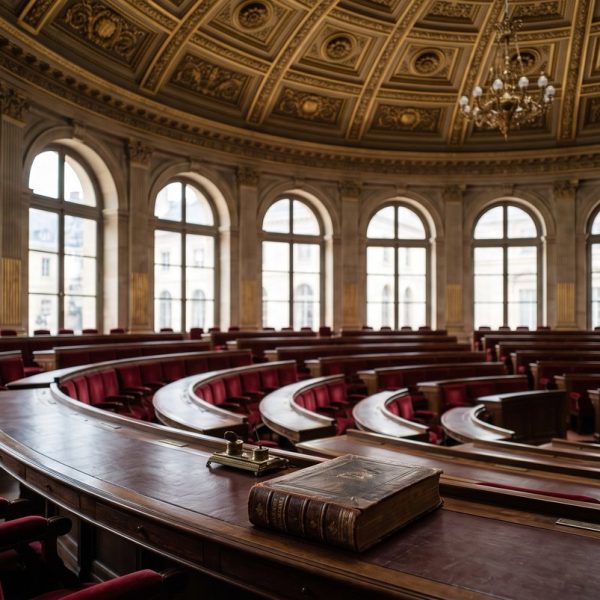
In the decades after the war, women made up only a small share of members of the National Assembly. Political parties tended to nominate men for winnable seats, and the informal networks that lead to power were largely male.
Progress came in steps. A few women gained prominence as ministers and reformers, and their work on topics such as family law and reproductive rights changed daily life for millions of citizens. Simone Veil, who guided a landmark health law through parliament in the 1970s, became a symbol of that courage.
Firsts at the top
The highest offices have seen women only recently. Edith Cresson became the first woman to serve as Prime Minister in 1991. It would be more than three decades before another woman, Elisabeth Borne, took that role in 2022.
These milestones matter because they change what the public sees as normal. Every first makes the next one easier to imagine.
The parity law of 2000
One of the most important steps was a law passed in 2000 that required political parties to present equal numbers of women and men on many electoral lists. Often called the parity law, it aimed to correct the imbalance that voluntary measures had failed to fix.
The impact has been uneven. In elections with lists, such as municipal and regional contests, parity delivered clear results. In single member district elections, parties could pay financial penalties instead of nominating more women, so progress was slower.
Local politics as a training ground
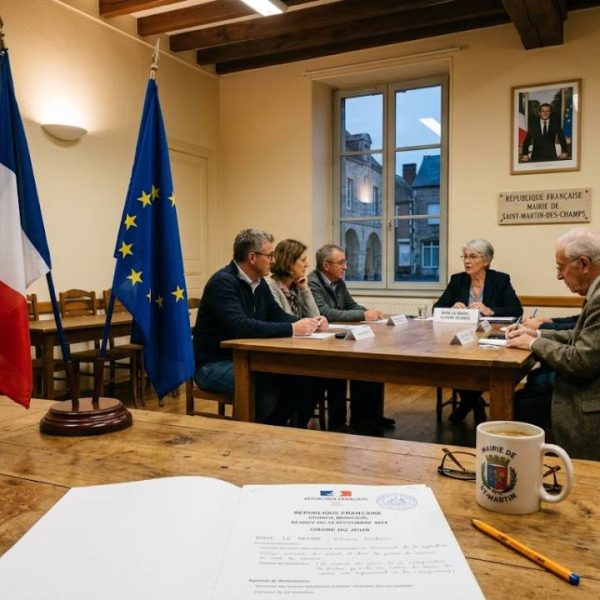
Town halls and regional councils have become important pathways. Women now hold a large share of municipal council seats, and gaining experience there builds networks and credibility for national careers.
Still, the top local posts, such as mayor of a large city or head of a regional council, have been held more often by men. Seniority, party structures and the demands of political life all play a role.
Barriers that remain
Researchers point to several challenges. Women in politics often face more scrutiny of their appearance, family life and tone of voice. Online harassment has become a serious deterrent, and some talented candidates choose not to run for that reason.
Balancing public life with family duties also weighs more heavily on women, since caregiving still falls unevenly on them in many households. Flexible schedules and supportive parties can make a real difference.
How institutions can help
Beyond quotas, parties can recruit actively, mentor new candidates and give women real chances in winnable districts. Transparent selection rules reduce favoritism. Parliament can also adopt family friendly working hours and clear codes of conduct against harassment.
Voters have a part to play too. Informed, curious citizens who follow candidates beyond the headlines tend to reward competence and integrity. The official site of the Assemblée nationale offers data on members, committees and debates, which makes it easier to see who actually does the work.
Reading French politics from abroad
For international readers, following French politics means working with French sources. Press reports, parliamentary records, party manifestos and official statements are often available only in French, and nuance can disappear in a quick machine translation.
Researchers, journalists and organizations that need reliable access to these texts often turn to professional French translation services to make sure political vocabulary, institutional titles and tone are rendered accurately.
French also has a long tradition as an international language of negotiation. This article on the French language of diplomacy explains how that history still shapes international institutions.
What to watch next
Several questions deserve attention in the coming years. Will more women lead major parties and compete for the presidency? Will parity extend more strongly to executive posts and to boards of public bodies? And how will new generations of voters, raised with different expectations, reshape the political culture?
Answers will come from elections, but also from daily choices by parties, media and citizens about who gets a platform and how they are treated once they have it.
The broader lesson
The French experience shows that formal rights are only the beginning. Real equality in politics takes laws, institutions, cultural change and persistent pressure from citizens. It also shows that change is possible, even when it moves slowly.
For anyone interested in democracy, the story of women in French politics is a useful case study in how societies correct themselves over time.
From the 1944 ordinance to parity rules, the path to leadership shows that progress follows both laws and public expectations.